A) 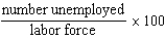
B) 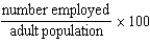
C) 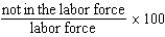
D) 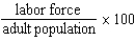
F) B) and D)
Correct Answer

verified
Correct Answer
verified
A) might increase profits if it attracts a better pool of workers to apply for jobs at his restaurant.
B) will reduce the excess supply of labor.
C) is an example of the benefits of a minimum-wage law.
D) All of the above are correct.
F) C) and D)
Correct Answer
verified
Correct Answer
verified
A) have worked no more than 10 hours during the past week..
B) have tried to find employment during the previous year.
C) not have been laid off.
D) None of the above is correct.
F) B) and D)
Correct Answer
verified
Correct Answer
verified
B) False
Correct Answer
verified
Correct Answer
verified
A) prevents unions from acting as cartels.
B) allows workers joining a unionized firm to choose not to join the union.
C) prevents employers from interfering when workers try to organize a union.
D) prevents firms from hiring permanent replacements for workers who are on strike.
F) None of the above
Correct Answer
verified
Correct Answer
verified
B) False
Correct Answer
verified
Correct Answer
verified
A) 1,600.
B) 1,800.
C) 3,000.
D) 3,200.
F) A) and C)
Correct Answer
verified
Correct Answer
verified
A) below the equilibrium level, causing a shortage of labor.
B) below the equilibrium level, causing a surplus of labor.
C) above the equilibrium level, causing a shortage of labor.
D) above the equilibrium level, causing a surplus of labor.
F) A) and C)
Correct Answer
verified
Correct Answer
verified
A) 37%
B) 63%
C) 66.7%
D) 96.3%
F) B) and C)
Correct Answer
verified
Correct Answer
verified
B) False
Correct Answer
verified
Correct Answer
verified
A) create frictional unemployment, while firms paying wages above equilibrium to reduce worker turnover creates structural unemployment.
B) create structural unemployment, while firms paying wages above equilibrium to reduce worker turnover creates frictional unemployment.
C) and firms paying wages above equilibrium to reduce worker turnover both create structural unemployment.
D) and firms paying wages above equilibrium to reduce worker turnover both create frictional unemployment.
F) B) and C)
Correct Answer
verified
Correct Answer
verified
A) unemployed and in the labor force.
B) unemployed and not in the labor force.
C) employed and in the labor force.
D) employed and not in the labor force.
F) All of the above
Correct Answer
verified
Correct Answer
verified
B) False
Correct Answer
verified
Correct Answer
verified
A) fallen. This decline should have reduced structural unemployment.
B) fallen. This decline should not have reduced structural unemployment.
C) risen. This increase should have raised structural unemployment.
D) risen. This increase should not have raised structural unemployment.
F) A) and C)
Correct Answer
verified
Correct Answer
verified
A) 0
B) 2,000
C) 4,000
D) 6,000
F) B) and C)
Correct Answer
verified
Correct Answer
verified
A) shortage of labor and so reduce unemployment.
B) shortage of labor and so raise unemployment.
C) surplus of labor and so reduce unemployment.
D) surplus of labor and so raise unemployment.
F) A) and D)
Correct Answer
verified
Correct Answer
verified
A) looking for a better job than they currently have.
B) not working and are not looking for work, but would work if asked.
C) working part-time while they go to school or get training for a better job.
D) only a few years from retirement.
F) All of the above
Correct Answer
verified
Correct Answer
verified
A) Congressional Budget Office.
B) Department of Commerce.
C) Council of Economic Advisers.
D) Bureau of Labor Statistics.
F) A) and B)
Correct Answer
verified
Correct Answer
verified
A) unemployed and in the labor force.
B) unemployed and not in the labor force.
C) employed and in the labor force.
D) not in the labor force.
F) None of the above
Correct Answer
verified
Correct Answer
verified
B) False
Correct Answer
verified
Correct Answer
verified
Showing 561 - 580 of 699
Related Exams